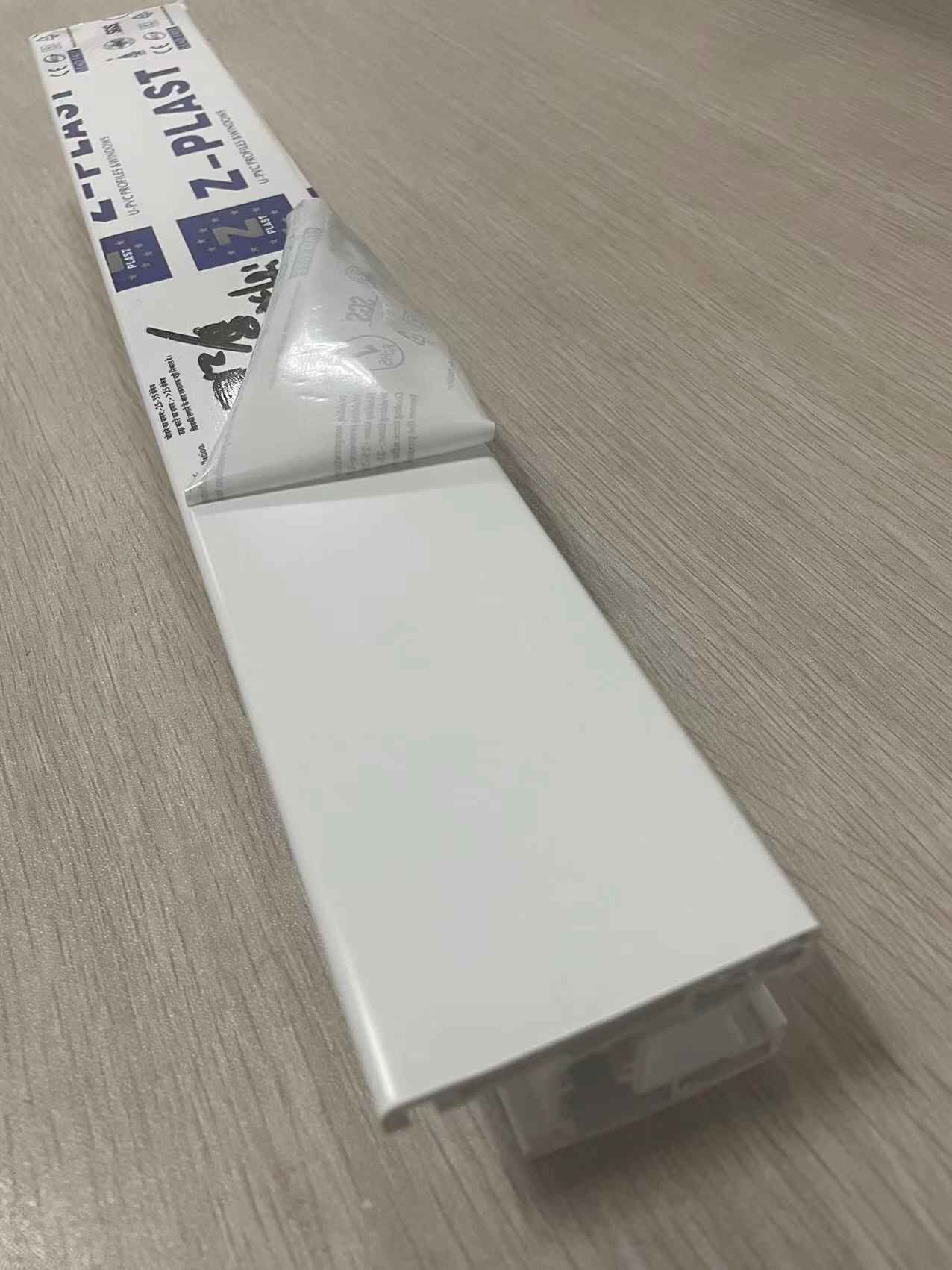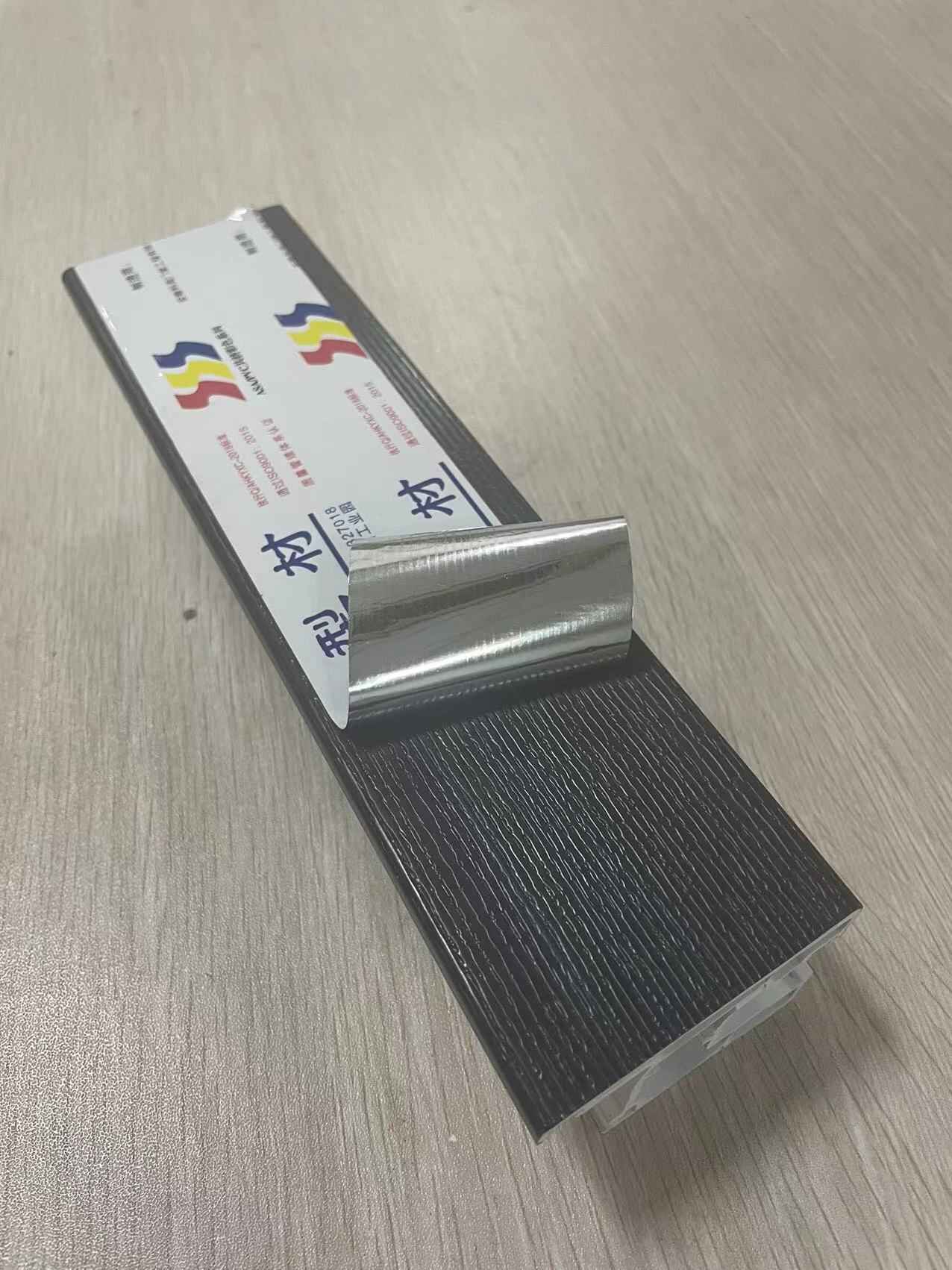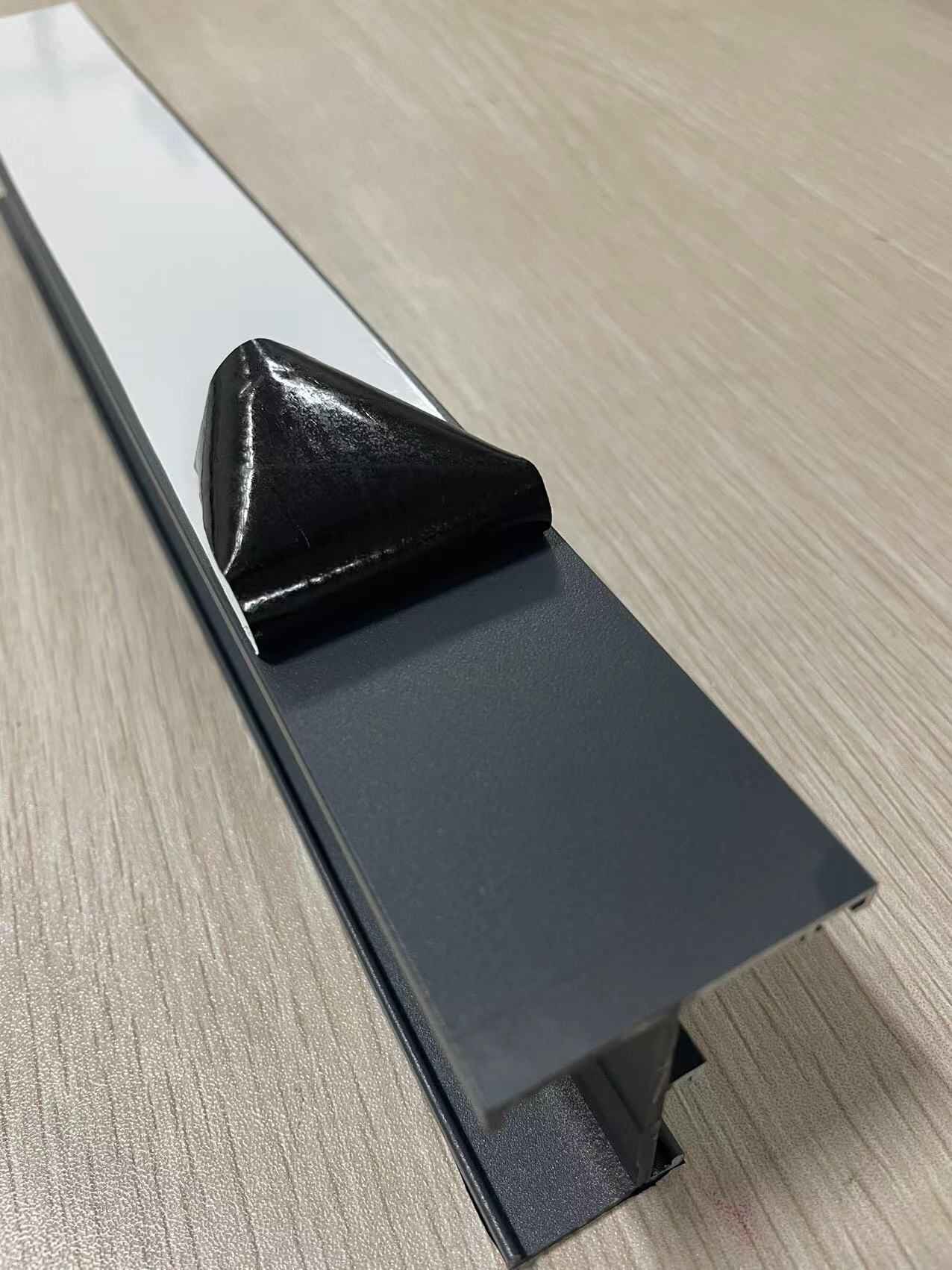
PE, also known as Polyethylene, is a polymeric organic substance commonly utilized in our daily lives. PE protective films are an eco-friendly, environmental product that is non-toxic, pollutant-free, and a green alternative to other protective films.
A pressure-sensitive adhesive is applied on a particular polyethylene (PE) plastic sheet that serves as the base for PE protective film. Depending on the extent of smoothness of the customer’s product surface, PE protective film manufacturers will create a variety of customized protective films, including sticky polyethylene protective film that best suits their needs.
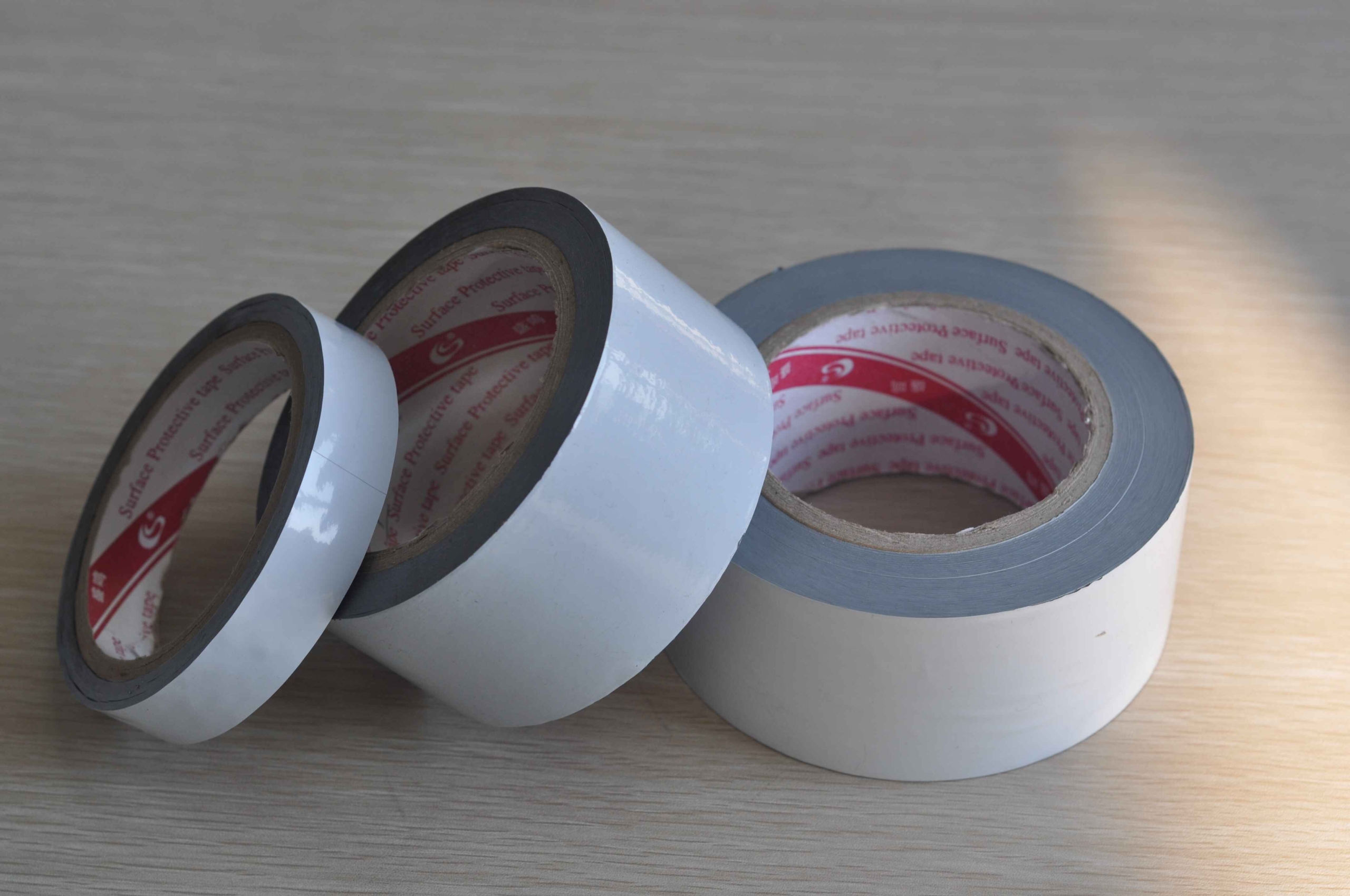
The different types of PE protection films are:
PE protective film is based on special polyethylene (PE) plastic film, which is divided into high-density polyethylene protective film (HDPE), Linear Low-Density Polyethylene (LLDPE)., and low-density polyethylene (LDPE) according to density. Polyethylene film can also be manufactured in different colors or transparent. In addition, it can be processed in different thicknesses.
Your product must tolerate much stress during assembly, storage, and transportation. Often, a general film cannot offer adequate protection from compressive damage. Placing other materials or covers loosely on a product or surface leaves it vulnerable to harm from scrapes or grime. In addition, coated films can leave behind unwanted residues. That’s why PE protective films are your best bet.
PE protection films come in a variety of forms. High-viscosity Polyethylene protective film, medium-viscosity PE protective film, low viscosity PE protective film are the three basic viscosity categories. Each has slight differences in adhesion and applies to different textured surfaces.
In our daily lives, polyethylene protective film is frequently used on surfaces like computer cases, phone screens, LED displays, instruments, stainless steel surfaces, glass doors, windows, etc. The benefits and applications of PE protective film will next be discussed.
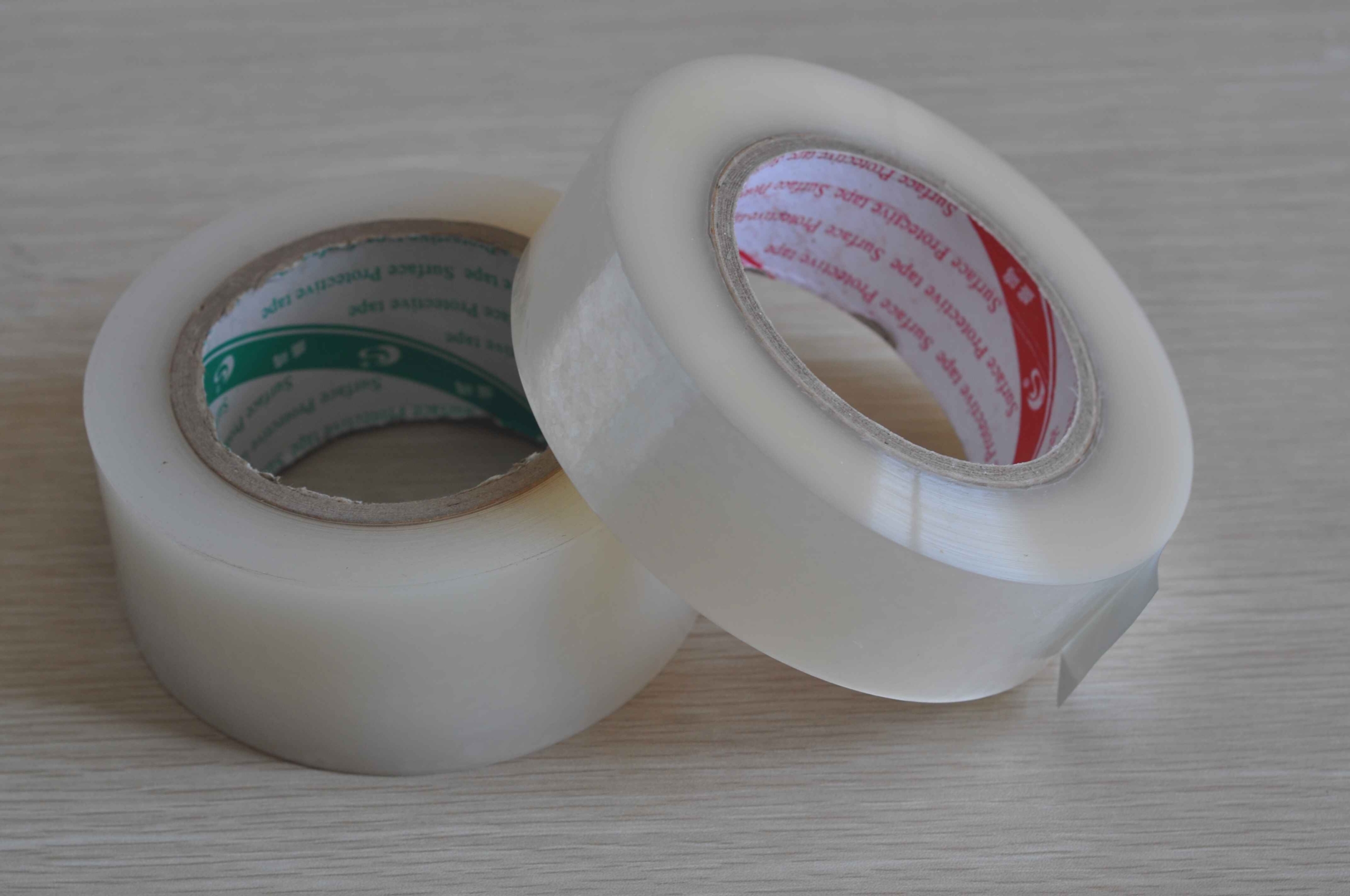
What are the benefits of using PE Protective Films?
There are several reasons to use PE protective films:
- Protecting the product from scratches, corrosion, and contamination and maintaining its original brilliant and shining surface during manufacture, transit, storage, and usage is one of the benefits of polyethylene protective film, which boosts product quality and competitiveness in the market.
- PE protective films do not leave adhesive residue on surfaces once removed, thus minimizing any risks to the product. However, they are as easy to stick and easy to tear off.
- It is a green, environmentally safe option since there is no corrosion or pollution. It has passed the EU’s ROHS environmental pollution test.
- It is a soft material and has good extensibility, and its elongation rate can reach more than 300%. Therefore, it could be affixed to many shapes of material surface and could fit the surface well.
Although PE protective film is quite a useful material, it is not suitable to use at high temperatures. It could withstand max 70 degrees. If you are looking for a protective film that has excellent temperature resistance, please try on our PET protective film.
PE Protective Film Manufacturers You Can Trust
At Wuxi Changsheng, our primary goal is to satisfy the demands of our clients. This entails providing a wide range of high-quality goods at competitive prices. As a skilled PE protection film manufacturer, our products have been used extensively in various industries, including the deep-drawing process, electronics, home appliances, windows, marbles, doors, carpets, plastic sheets, stainless steel sheets, and glassware. Contact us if you would like to learn more regarding the best customized or industrial polyethylene protective film.