The history of pressure-sensitive adhesives

Pressure-sensitive tape originated in 1600 BC in the Han Dynasty period, in the Herbal Supplement, Huangdi Neijing, records the treatment of pain plaster cloth. It is the embryonic form of pressure-sensitive glue made of Chinese herbal medicine, turpentine, and animal glue. Later, it has been continued in the ointment products in the field of Chinese medicine. By the 8th century, ancient Egyptians discovered the use of pine balm and wax to make ointment and medicine.
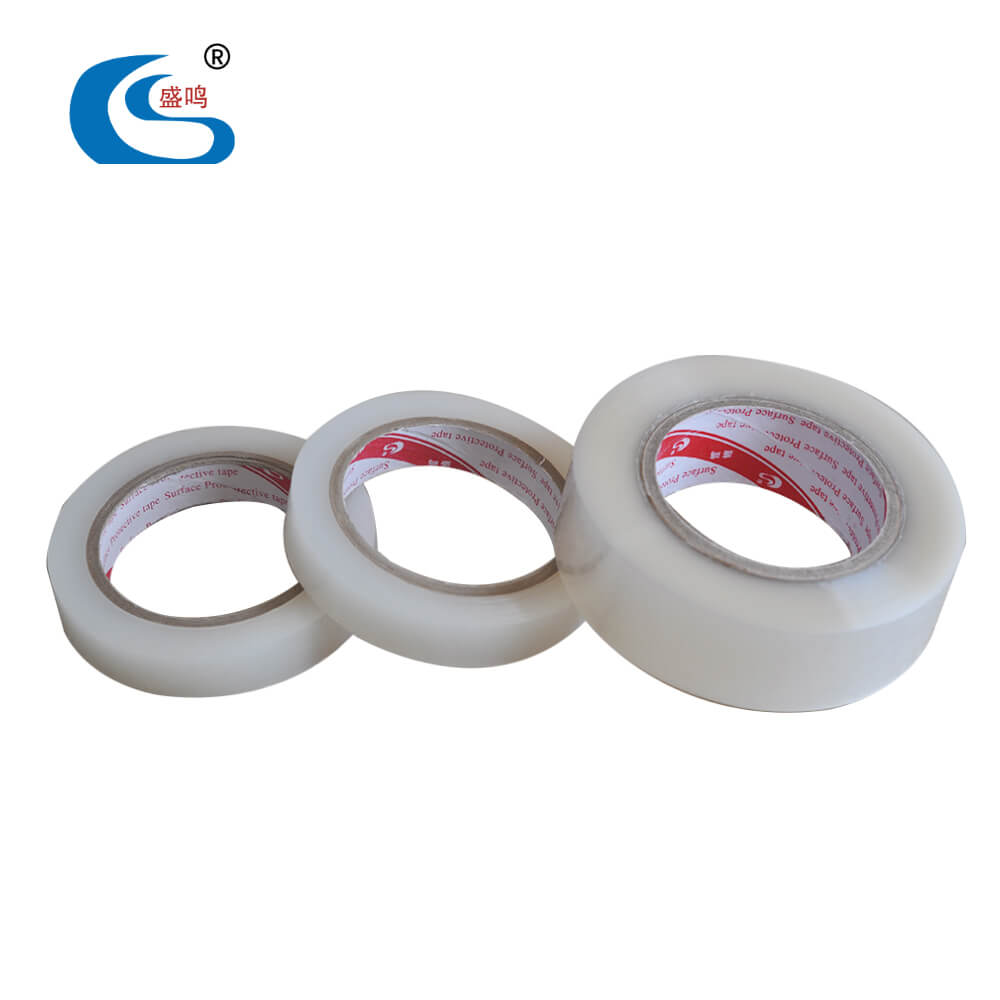
PE-protective-film-for-glass

The first patent for making medical plaster from natural rubber appeared in 1845. The industrial development of medical adhesives was first started by Johnson Brothers in the United States in 1870. After long-term research, they invented a medical adhesive for a long time in 1890. In 882, German pharmacist Beiersdorf added zinc oxide which could neutralize the acidity of rosin into natural rubber and rosin and made white zinc oxide plaster which was less irritating to the skin. This is the earliest modern pressure-sensitive adhesive product, so China and foreign countries are in the production of pressure-sensitive adhesive tape from the medical adhesive paste. It laid the foundation for today’s medical plaster. In the 1920s, the appearance of plastic pressure-sensitive adhesive tape for electrical insulation made pressure-sensitive adhesive products enter the field of industrial application.

However, it was not until R.G. Gray of 3M Company invented paper-based masking adhesive tape and transparent cellophane adhesive tape that the range of industrial applications of pressure-sensitive adhesive products was really expanded. Since then, two-sided adhesive tape, pressure-sensitive adhesive labels, adhesive sheets for printing, BOPP(directional tensile polypropylene) packaging tape, and many other uses of pressure-sensitive adhesive products have appeared. The pressure-sensitive adhesive materials used are also extended from natural rubber to various synthetic rubber, polyethylene ether, polyacrylate, silicone polymer and thermoplastic elastomer, and other synthetic materials.
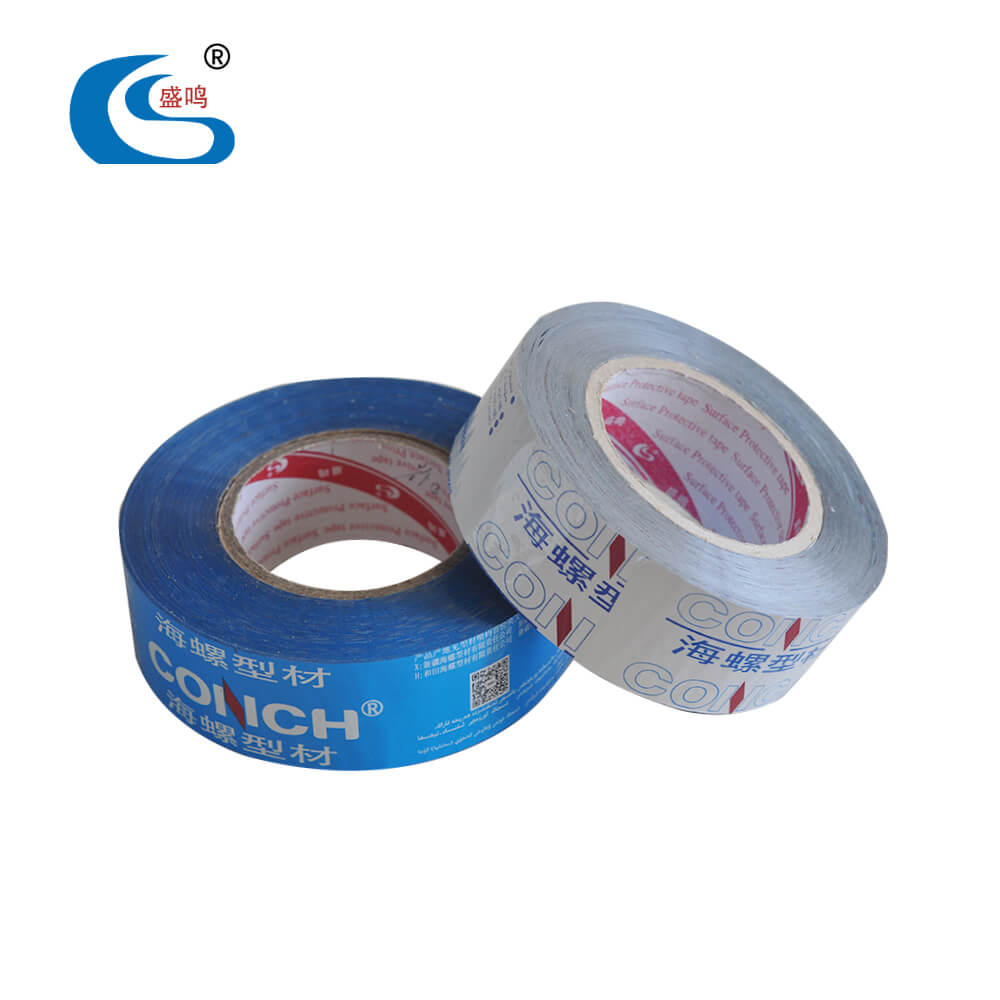
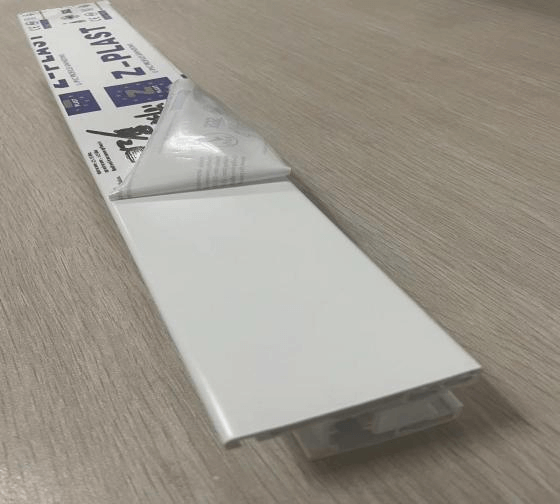
PE-protective-film-for-PVC-profile

Since the late 1950s, a series of basic theoretical issues such as the adhesion phenomenon, adhesion characteristics, and the relationship between the structure and performance of pressure-sensitive adhesives have been studied step by step, so that the development of pressure-sensitive adhesives and their products is gradually built on a solid foundation, especially after entering the 1960s, a variety of excellent performance acrylic pressure sensitive adhesive system development, The application range of pressure-sensitive adhesive products has been rapidly expanded, and the industry of pressure-sensitive adhesive and its products has also been developed at a high speed.
Acrylate adhesives are commonly used in daily life. Acrylate hot melt adhesives have high bond strength and shear strength, and their oxidation resistance and weather resistance are good. In this paper, a large number of experiments and research work have been carried out based on the current development status of acrylate hot melt adhesives and the problems of adhesive removal in the bonding of waxed paper boxes and waste paper recycling.

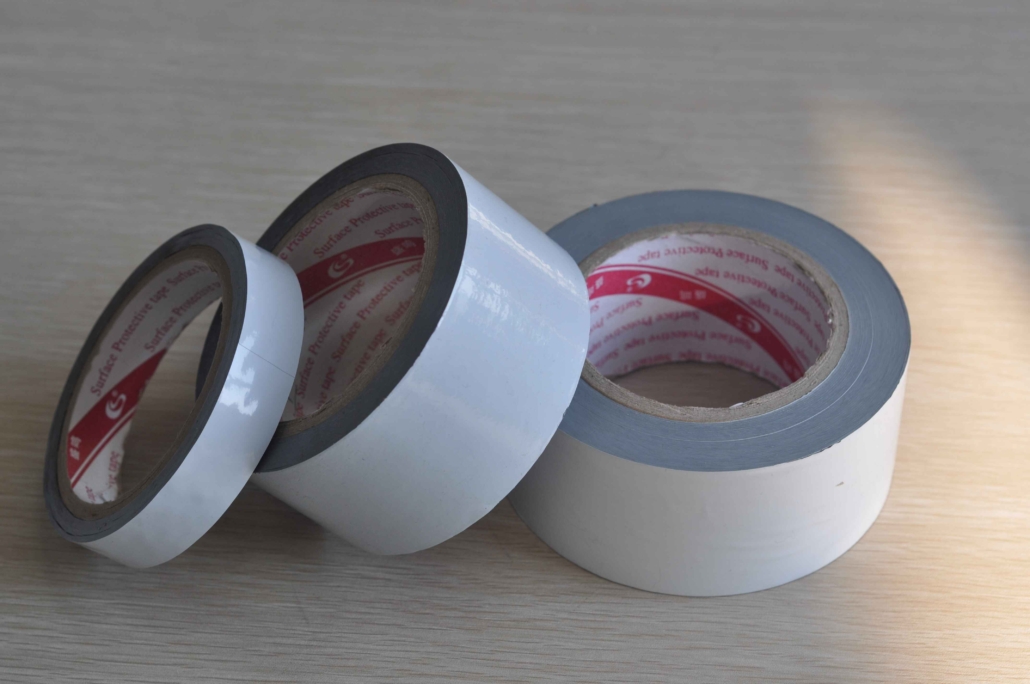
black & white PE films

The main research results include (1) Methyl methacrylate (MMA), laurel methacrylate (LMA), vinyl acetate (VAc), and acrylic acid as copolymers and potassium persulfate as initiation The re-dispersible acrylate hot melt adhesive was prepared by semicontinuous emulsion polymerization.

When the ratio of Op-10 to Span-80 of the paraffin composite emulsifier is 0.55/0.45, the paraffin emulsion can be prepared. When the contents of LMA, n-dodecyl mercaptan (NDM), and N-(methoxymethyl) acrylamide are 9%, 0.8%, and 0.3%, respectively, the reaction conversion rate can reach 95.59%, and the polymer has excellent thermal performance and bond strength.

Adding dioctyl phthalate (DOP) and rosin continues to improve the melt fluidity and adhesion of hot melt adhesive, DOP and rosin content is 7.5% and 6% of the mass of the matrix polymer, respectively, redispersing acrylate hot melt adhesive has excellent thermal stability, low melt viscosity, high bond strength, good redispersing effect, used in paper products bonding and carton sealing, can be reduced It is difficult to deal with adhesive when recycling fewer paper products, so as to realize efficient recycling of paper products.

protective films adhesives

(2) Using VAc, MMA, acrylic acid, and butyl acrylate as the copolymer and potassium persulfate as the initiator, the low-temperature hot melt adhesive which can be used for the sealing of waxed paper box was prepared by semi-continuous emulsion polymerization. When the paraffin emulsion content is 10%, the composite emulsion is more stable and the polymer melting fluidity is suitable.

When the content of MMA is 5.2%, the reaction conversion rate is higher, the peel strength of the polymer can reach 55N/25mm, and the shear strength is higher. When DOP is added to improve the bonding strength and melting viscosity of the hot melt adhesive, the low-temperature hot melt adhesive prepared by DOP content is 10% of the mass of the matrix polymer has good comprehensive performance and can be used in the sealing bonding of the impregnated wax paper box. Low-temperature hot melt adhesive has excellent bonding strength, avoid the wax paper box nail caused damage to the goods in the box.

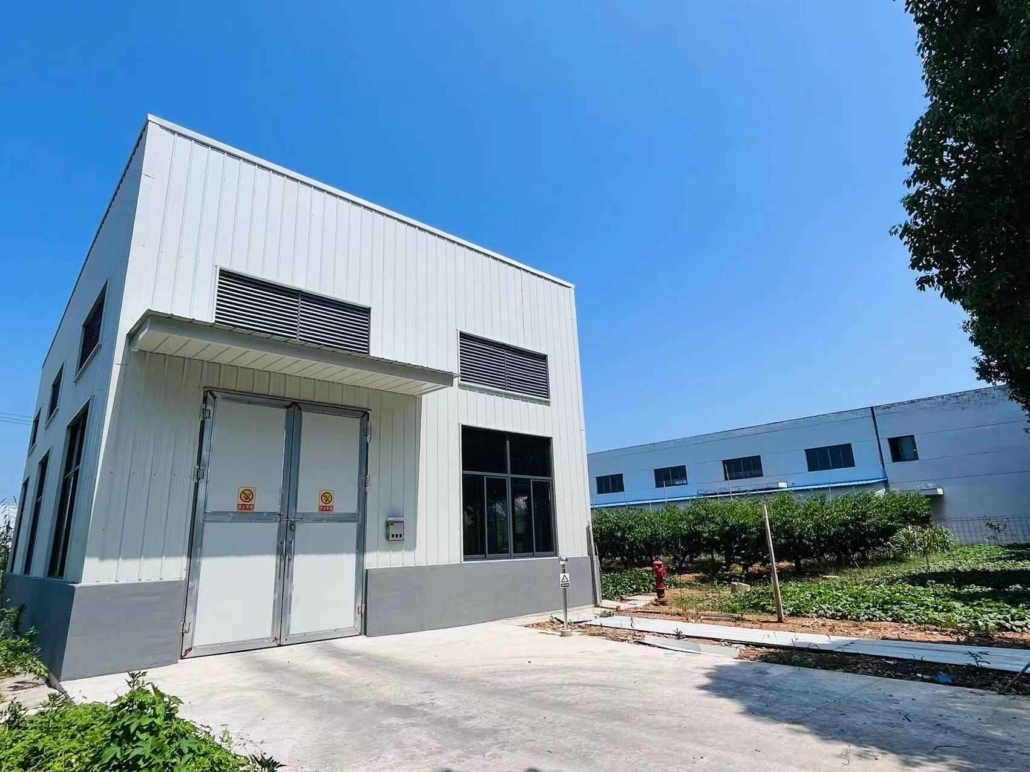
factory

(3) The process flow chart of two kinds of hot melt adhesives is drawn, and the material balance and cost accounting are carried out respectively. According to the comparison with the hot melt adhesives sold on the market, the two kinds of low-temperature hot melt adhesives prepared in this experiment are reasonable in price, excellent in comprehensive performance, and competitive in the market.

What is acrylic adhesive?

It is a two-component adhesive that provides excellent bonding strength and durability but is slightly lower than epoxy adhesives. However, they have a variety of characteristics that make them easier to use in many applications and production processes. These benefits include faster curing, higher resistance to oily or unbonded surfaces, and the ability to bond a wide range of materials, including almost all plastics. Newer acrylic adhesive formulations have room-temperature stability, and long shelf life and some have a lower odor than regular acrylic adhesives.

Acrylic adhesive is acrylic?

Acrylic means acrylic or acrylic in Chinese; acrylic means acrylic.

Acrylic resin, acrylic in English, may be called “acrylic coating”, while it may be transliterated into “acrylic coating” in Chinese. Acrylic resin and acrylic are actually the same material, but people call them different. Acrylic is a high-performance sports paint using a good grade original wear resistance and vivid lasting color. The outstanding performance of acrylic products brings the best sports results to your venue. Materials, it is 100% acrylic paint used for tennis courts and entertainment venues. It has unparalleled performance, our sports court at the same time to ensure the comfort of the player’s feet and the tennis rebound effect is consistent, you can change the texture of the sports court to obtain slow speed, medium speed, and fast three different speed court.

  1. 100% acrylic resin composition, non-toxic, asbestos-free, in line with environmental protection requirements;
  2. the sand particles are uniform, with special modulation;
  3. good rebound force;
  4. good anti-slip performance, athletes are not easy to slip;
  5. suitable for concrete and asphalt foundations;
  6. according to the customer needs to add a micro rubber layer, in order to increase the elasticity of the ground, and reduce fatigue.
  7. super flatness, average elasticity, excellent anti-skid performance;
  8. all-weather acrylic sports field material anti-UV, wear reduction, long durability, safe and comfortable;
  9. stable color, no fading, no foaming, no cracking, no mildew, long life, durable more than 10 years, cheap, easy maintenance.
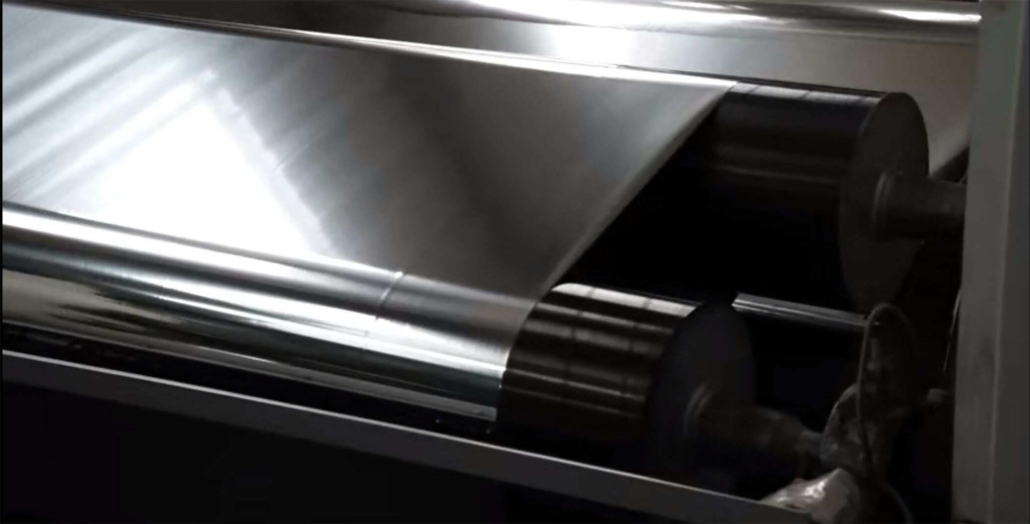
    Pressure Sensitive Adhesives Manufacturing Process

Are acrylic adhesives toxic?

Acrylate adhesives have a pungent odor, mainly caused by methyl methacrylate, methacrylic acid, or acrylic monomers, which have an impact on the user and the environment, but after drying are non-toxic.

Acrylate adhesive: Acrylate is widely used as an adhesive because of its strong hydrogen bonding properties. Its types include cyanoacrylate adhesives and reactive acrylic adhesives. With high strength, impact resistance, good weather resistance, oil surface bonding, ease to use, strong impact resistance, and shear force characteristics.

Acrylic adhesive is not toxic but has a stimulating smell, the workplace should be kept ventilated, not direct contact, please wear isolation gloves when operating.

  1. The form of adhesive;
  2. Preparation and application of adhesives;
  3. Storage period of adhesive;
  4. Adhesive application period;
  5. The use of adhesive necessary means or equipment;
  6. Variability of bonding process;
  7. Layer drying time and temperature;
  8. Curing temperature and use temperature of adhesive layer;
  9. The change rate of bonding strength at different temperatures;
  10. Special requirements and preventive measures, such as odor, flammability, toxicity, etc.
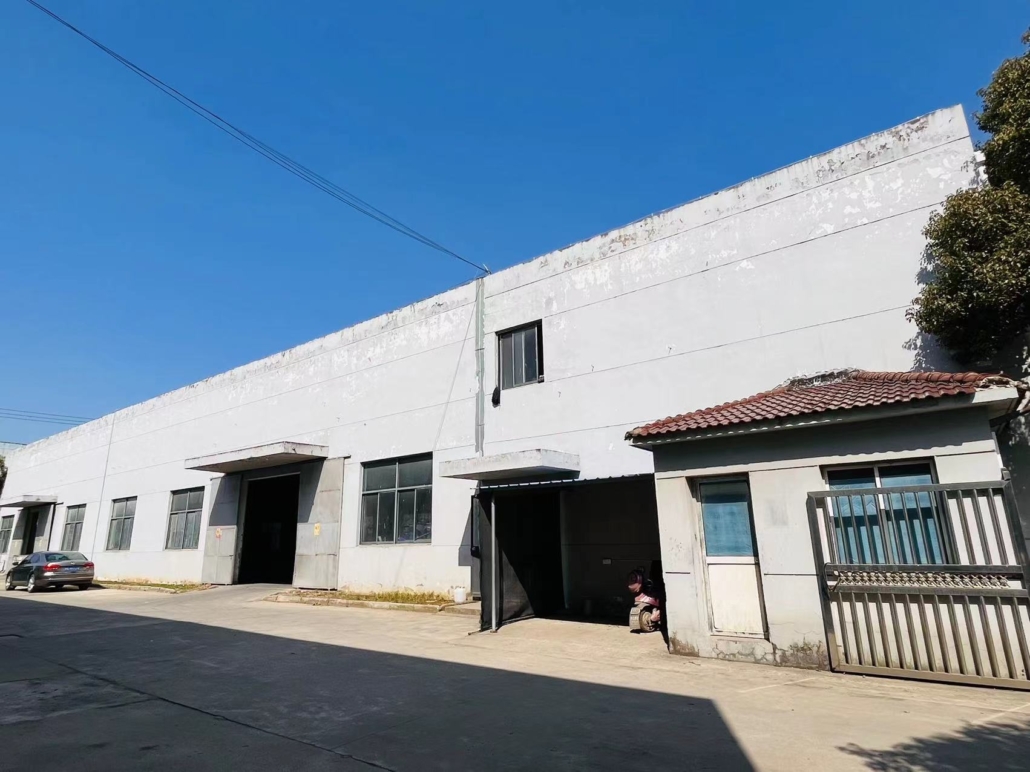
    adhesive factory

Fireproof glue: Z732 flame retardant fireproof glue, polyurethane fireproof foam glue, expansion type fireproof glue high-quality hem glue – polyamide hot melt glue stick, polyamide glue: Bostik polyamide hot melt adhesive, polyamide hot melt adhesive [PA powder], high relative viscosity polyamide 6 gel, polyamide nylon plastic, new polyamide hot melt adhesive, polymer polyamide Baotu adhesive, PA6/PA66< polyamide > plastic

White latex: three-dimensional white latex, virtual bamboo white latex BC-03, indoor and outdoor decoration glue (including decoration No. 1, decoration No. 2), paper box glue, putty glue, picture frame glue, plywood glue, solid wood glue, 235 type latex, wood leather glue, wood glue, sticker glue, furniture glue, PVC board glue, all-purpose glue, peritoneal glue.

PE protective film for aluminum profiles with smooth surfaces2

Impregnating glue: impregnating glue [T90 or T88], Crylate 90C non-paint impregnating glue, impregnating glue liquid [85C], Ultraseal

Super seal British original imported infiltrating glue, ZY-S1 anaerobic infiltrating glue, Xinbao SU-90C vacuum infiltrating glue, infiltrating glue POC

Anaerobic glue: Ritai anaerobic glue < plane sealant 510, 515, 518>, Xinbao 340 anaerobic glue, 609 anaerobic glue, 680

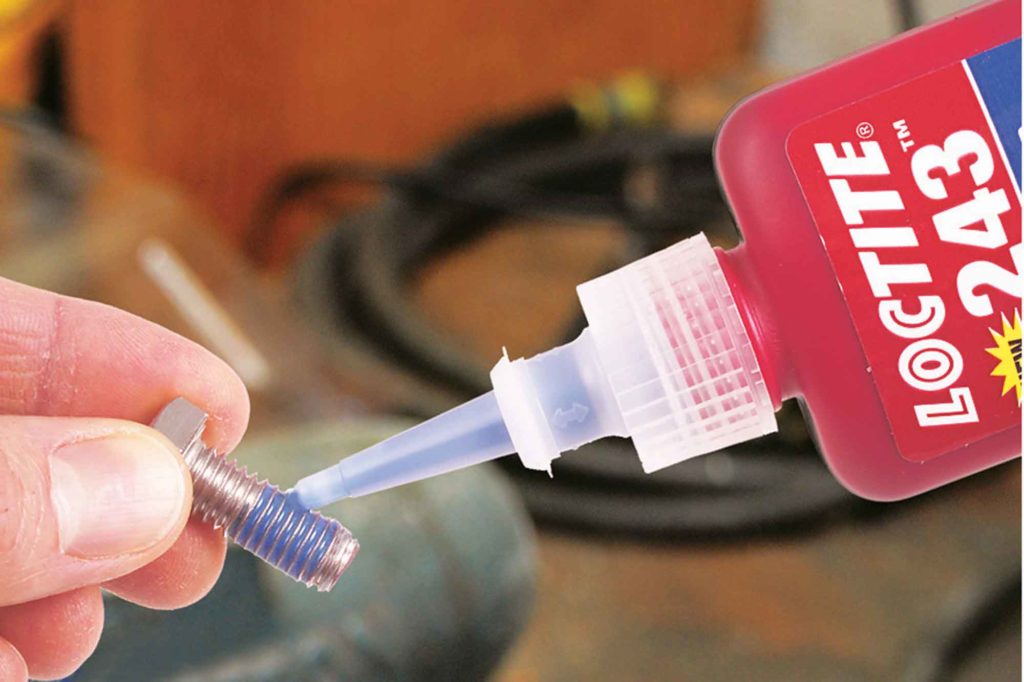
Anaerobic glue, 638 anaerobic glue, anaerobic glue B-242, Loctite 545 anaerobic glue, Loctite 243 anaerobic glue, liquid raw material belt, snail

Anaerobic glue

Grain locking sealant, cylindrical holding sealant, flat sealant, pipe thread sealant, UV anaerobic glue, K-200R silicone

Anaerobic glue, K-201G silicone anaerobic glue, 222 anaerobic glue, Matabang 609 cylindrical solid glue, Deppon 2326 anaerobic

Oxygen glue, Mataibang 638 cylindrical solid glue, etc.

Waterproof glue: circuit board waterproof glue, PVC waterproof glue, raincoat 1000 PU waterproof glue, SOLONE waterproof eyeliner glue, AE-5778 waterproof glue, LED waterproof glue, display waterproof glue, UV hardening resin UV-3030.3091 3491 glue, special waterproof glue for external wall.

16g octadecyl alcohol, 3.5g maleic anhydride, and 155g toluene were mixed evenly and poured into a round-bottom flask; The monoester of octadecyl maleate was obtained at 120℃ for 4h. 7g octadecyl maleate monoester, 8.5g polyethylene glycol 600, 0.8 g p-toluene sulfonic acid, and 65g toluene was poured into a round-bottom flask, mixed well, and reacted at 95℃ for 12h to obtain amphiphilic oligomers.

two-parent modified acrylate copolymer adhesive

Preparation of acrylate copolymer adhesive (1) Take 6g methyl methacrylate, 4g butyl acrylate, 65g toluene, 15g ethanol mixed evenly; Then 20g bisphenol A-glycyl glyceryl methacrylate resin (Bis-GMA) and 1g potassium persulfate were added in the stirring state, and the stirring temperature was 70℃ for 4h. (2) Add 8g amphiphilic oligomer, 0.6g glycol dimethacrylate, 1g ammonium persulfate, stir and react at 75℃ for 5h; (3) Add 0.1g ethylenediamine glyoxalic acid, 0.2g sodium hydrogen phosphate, 1g phosphate PM1510, 8g silicon dioxide, and stir until evenly dispersed; (4) In stirring state, vacuum, parental oligomer block modified acrylate copolymer adhesive.

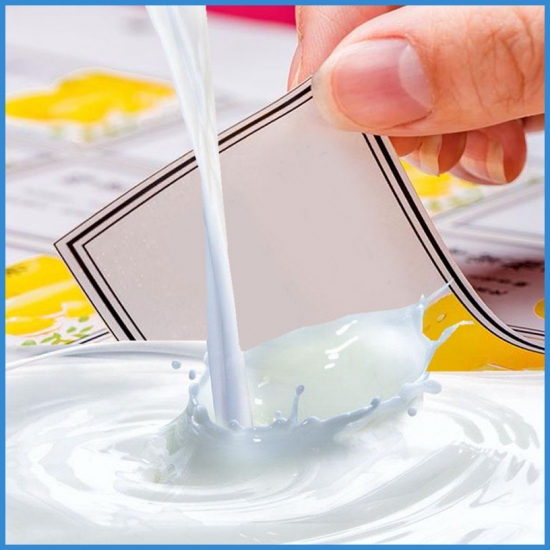
Pressure-sensitive adhesive (PSA, referred to as pressure-sensitive adhesive), is a pressure-sensitive adhesive, only the use of finger pressure, can be closely bonded with the adhesive. With the increasingly strict control of VOC emission, more and more solvent-based pressure-sensitive adhesives need to be changed to water-based pressure-sensitive adhesives or hot-melt pressure-sensitive adhesives. In the existing water-based pressure-sensitive adhesives, there are problems such as temperature resistance and insufficient cohesion, and it is very difficult to achieve the performance of high peel strength.

RAFT is short for Reversible Addition Fragmentation Chain Transfer Polymerization. In addition, RAFT is a type of active/controllable free radical polymerization (CRP). Acrylic ester block copolymer prepared by RAFT emulsion polymerization has high breaking strength, high elongation at break, and high low-temperature balance performance. The pressure-sensitive adhesive prepared by acrylic ester block copolymer has excellent advantages such as high cohesion strength and high-temperature resistance, which solves the shortcomings of conventional acrylic ester emulsion pressure-sensitive adhesive which lacks cohesion and is not resistant to high temperatures at 120℃ or above.

water-based pressure-sensitive adhesive

Pressure-sensitive adhesive with high peeling strength is needed in the bonding of automobiles, electronics, TV screens, screen printing, etc. For example, the peeling strength of single-side PET pressure-sensitive adhesive tape prepared into 50um adhesive layer thickness needs to reach more than 15N/25mm. In the preparation process of traditional pressure-sensitive adhesive, viscosifying resin can be added to improve the initial viscosity and peeling strength of the product.

In the acrylic block copolymer emulsion pressure-sensitive adhesive by the physical blending of water-based rosin ester tackifier resin, it was found that the initial adhesion and peeling strength of the adhesive can also be improved, but the improvement effect is not obvious, possibly because the compatibility between acrylate front copolymer and tackifier resin is not good.

Therefore, for the preparation of water-based pressure-sensitive adhesive by acrylate front-end copolymer, it is still necessary to continue to try and explore, preparing products with higher peeling strength and longer adhesion.

Hardening adhesive: no shadow UV adhesive, light curing adhesive, Loctite 3011 UV structural curing adhesive, Loctite 5900 flat sealing silicone rubber,

5900 UV curing silicone rubber, Loctite UV curing glue 352, 352, Loctite glue.

Potting glue: room temperature potting glue, heating potting glue, double group potting glue, single group potting glue, multiple group potting glue

Silicone rubber: room temperature vulcanized silicone rubber, high-temperature vulcanized silicone rubber, Nanda silicone rubber 703 704 705, 704 silicone rubber, 703 silicon

Rubber 430, 705 room temperature vulcanized silicone rubber adhesive, 704 glue

Sealant: curtain wall glass joint sealant, building window sealant, concrete building joint sealant, mildew sealant, stone

Wood joint sealant, coated steel plate building sealant, building silicone sealant, building polyurethane sealant, building

Polysulfide sealant, building acrylic sealant, chlorosulfonated polyethylene building sealant.

Pressure sensitive adhesive: polyacrylate pressure sensitive adhesive, polyurethane acrylate photocuring pressure sensitive adhesive, kraft paper pressure sensitive adhesive tape, hot melt pressure sensitive

Adhesive, 3M pressure sensitive tape, acrylic pressure sensitive adhesive, 9137 acrylic pressure sensitive adhesive, HF-136 (water-based pressure sensitive adhesive), YM-036

PE-protective-film-for-glass

Water based pressure sensitive adhesive

Hot melt adhesive: white hot melt adhesive, edge adhesive, transparent yellow rubber, semi-yellow rubber, hot melt rubber back adhesive, hot melt rubber, yellow rubber

Granules, milky white colloidal granules, white transparent colloidal granules, pearl cotton hot melt colloidal granules, transparent colloidal granules, beige.

Modified water-based acrylate PSA has excellent bonding properties, no pollution to the environment, and good water resistance, heat resistance, creep resistance, and stability, its application prospects and application fields are very broad. The purpose of the modification method or polymerization method is to improve the adhesion, coating resistance, water resistance, heat resistance, and economy of PSA, that is, to prepare acrylate PSA with excellent performance and good comprehensive performance. Therefore, the future development trend of water-based acrylate PSA is that multiple modification methods are used at the same time to prepare high-performance water-based acrylate PSA with high solid content and a variety of special functions in one to meet the application needs of different fields.
pressure-sensitive-adhesive