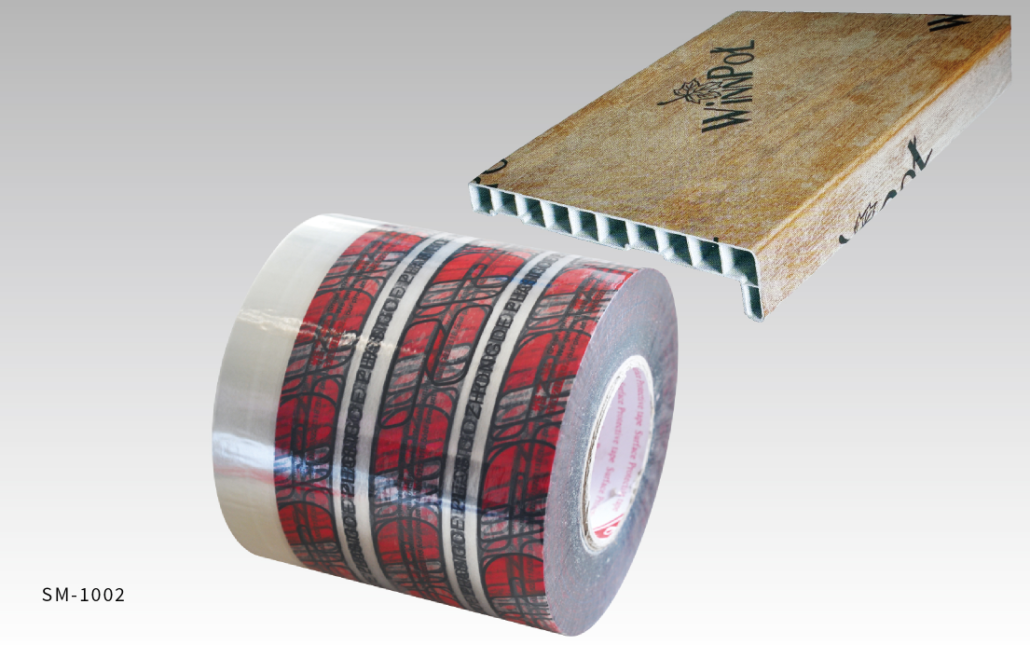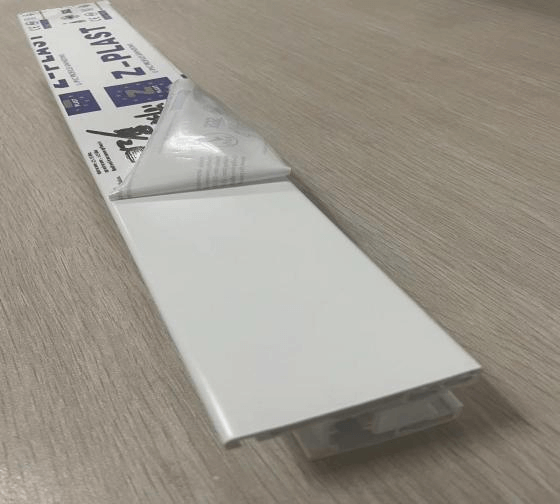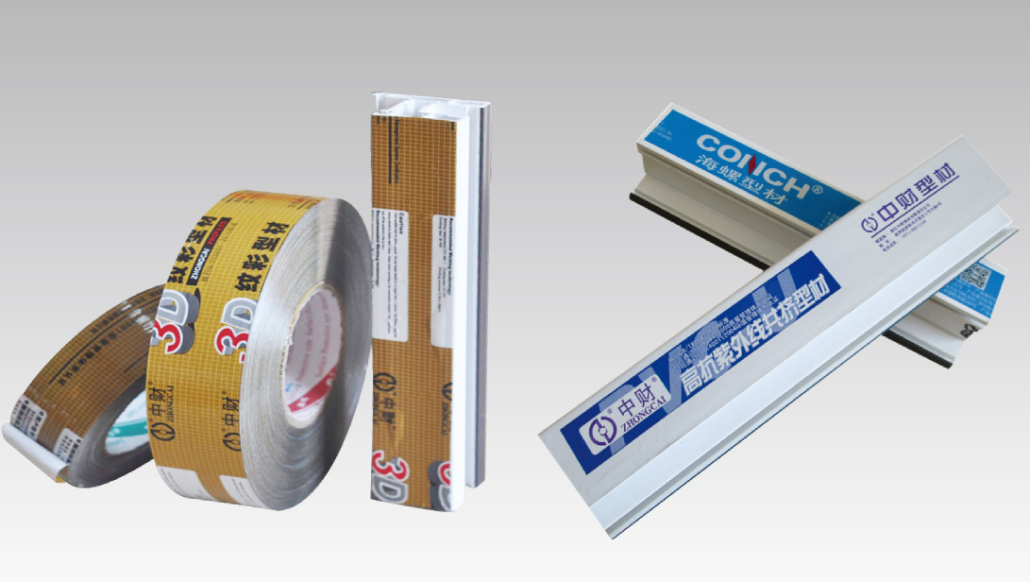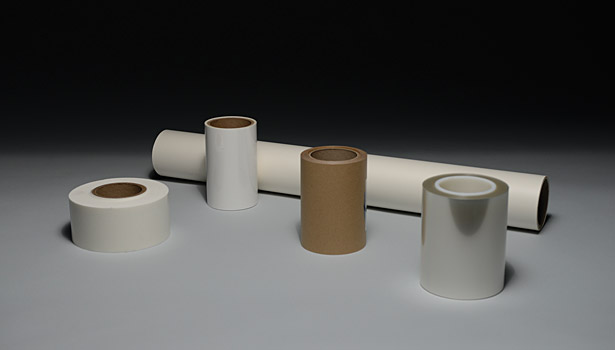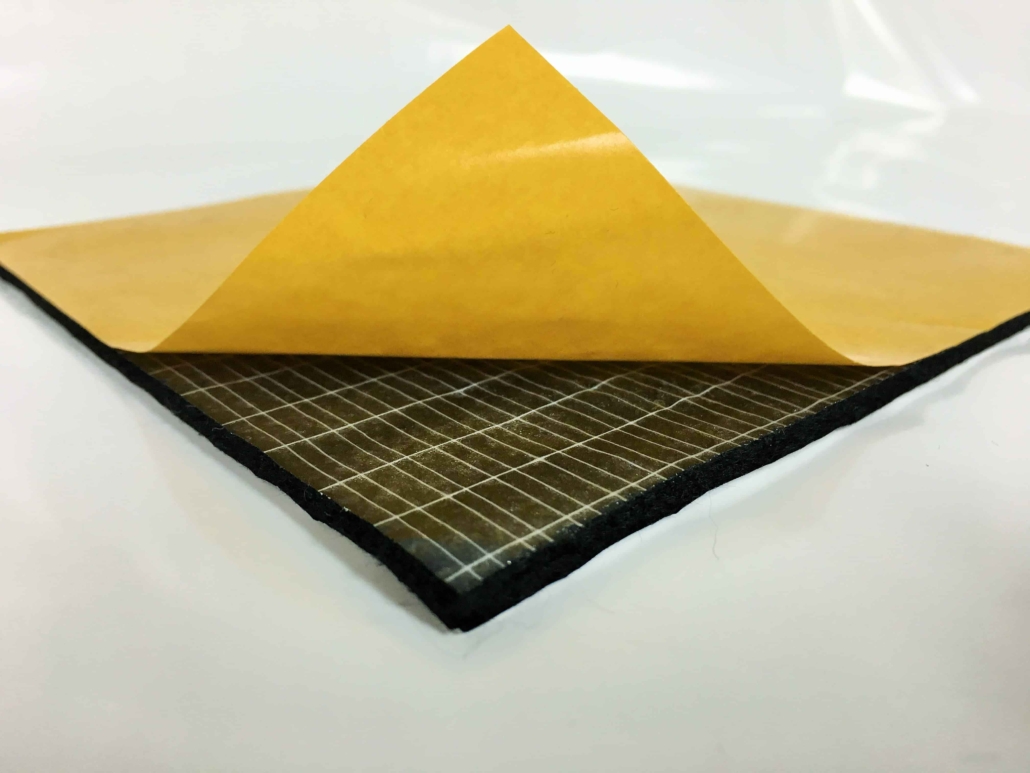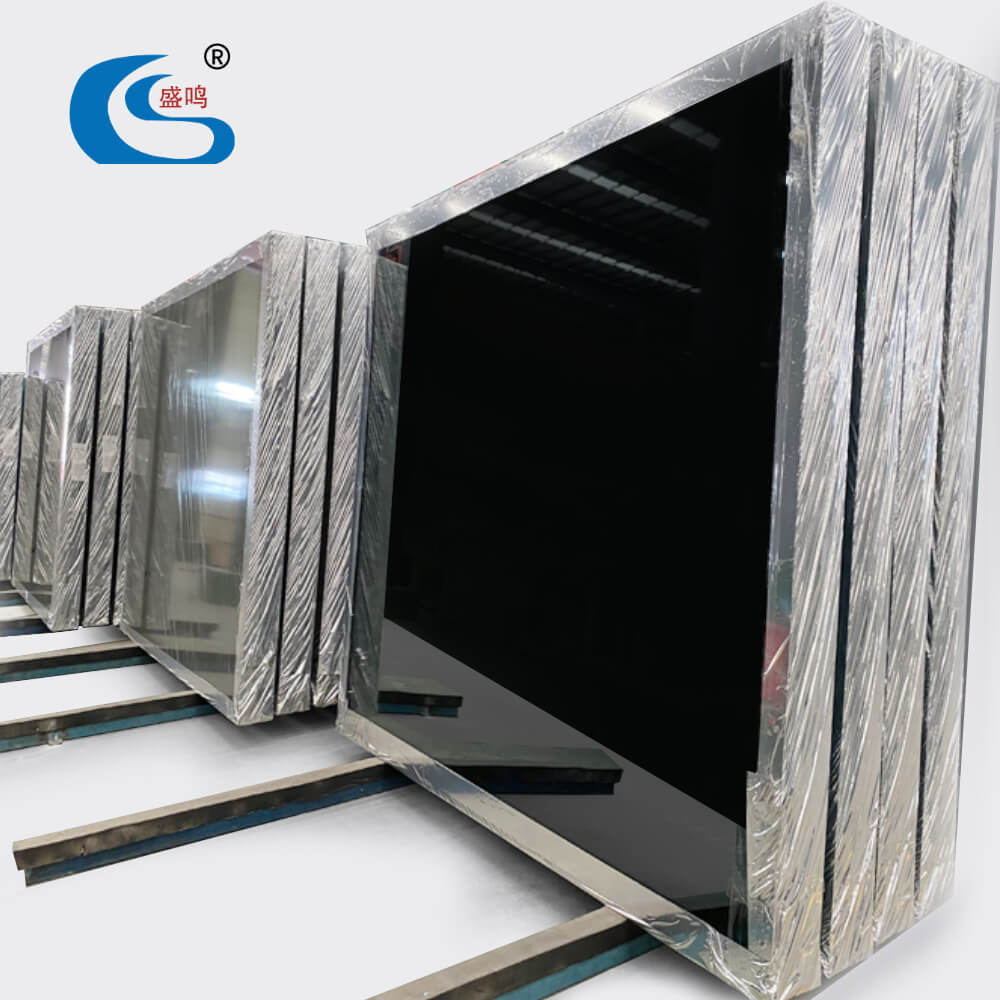
A large-scale architectural glass protective film that can significantly reduce the glass scrap rate must shift its design philosophy from “passive coverage” to an “active defense system”. It is not merely a layer of film, but rather provides precise solutions for every potential risk point that could lead to scrapping throughout the entire chain of glass deep processing, storage, transportation, and installation.
The following is a detailed description of this “high-reliability” protective film:

—
I. Core Defense: Eliminating Scrapping Caused by Material Itself
This is the first and most important line of defense against scrapping.
1. Absolutely zero residue adhesive
· Heat/wet stability formula: Utilizing “cross-linked” or “super stable” acrylic adhesive systems, the molecular structure remains intact and does not break or migrate under high temperature and humidity conditions. This is an absolute prerequisite for preventing glass from being scrapped due to adhesive printing or fogging. Especially for high-end glasses such as coated, Low-E, and ultra-clear, this is a matter of life and death.
· Perfect peel force curve: Within the predetermined protection period (e.g., 6-12 months), the peel force remains stable. It neither increases dramatically in viscosity over time (causing film tearing and residual adhesive) nor decays prematurely (resulting in automatic detachment).
2. Durable and damage-resistant substrate
· High puncture and tear resistance: Employing multi-layer co-extrusion technology, the surface layer is hard and scratch-resistant, while the inner layer is flexible and impact-resistant. It effectively resists physical damage from sand, metal tool edges, and packaging strap pressure, directly preventing scratches and indentations on the glass surface during handling and boxing – one of the most common causes of scrapping.
· UV absorption layer: Not only does it protect the film from powdering, but it also blocks part of the UV rays, reducing the aging effect of UV on the adhesive layer and certain sensitive glass edge sealants.
II. Process Defense: Optimizing Processing and Logistics Flows
The protective film needs to become a tool for enhancing production efficiency and reducing operational errors.
1. Excellent processing friendliness
· Superior dimensional stability: The film has an extremely low stretch rate and does not wrinkle after being stored in a workshop or outdoors with large temperature differences. This ensures:
· On an automated cutting line, the laser positioning will not be deviated due to film wrinkles.
· After the film is applied, the glass surface remains smooth, making it easier for quality inspectors to detect defects in the glass itself rather than being distracted by film wrinkles.
· Advanced anti-static treatment: A permanent anti-static coating that minimizes the attraction of dust and cutting powder in the air. This guarantees:
· Easier thorough cleaning in the cleaning machine.
· Crucial for laminated glass production, it eliminates the risk of scrapping due to particles getting trapped in the interlayer.
· Easy-tear design: Smooth backing peel-off and minimal bubble formation when applying the film. This increases the application speed and reduces the risk of damage and wasted working hours due to misalignment or bubbles requiring rework.
2. Intelligent identification function
· High-intensity printability: The film surface can be clearly and firmly printed with various information, such as:
· Glass specifications, thickness, and serial numbers
· Directional arrows (“This side inwards”, “Top”)
· Installation areas (e.g., “East facade of F15 floor”)
· Safety warnings (“Handle with care”, “Keep dry”)
· Value: This significantly reduces the possibility of picking up the wrong glass, installing it incorrectly, or installing it in the wrong direction in a chaotic construction site or warehouse, which often leads to the destruction or scrapping of expensive glass during the final installation step.
III. Environment and Long-Term Defense: Addressing Supply Chain Challenges
1. Superb environmental tolerance
· Chemical resistance: Resistant to common alkaline substances on construction sites (cement, mortar), acidic rain, and volatile substances that may exist in shipping containers, preventing these substances from penetrating the film layer and corroding the glass surface or edges.
· Wide temperature range performance: Maintains performance in the extreme heat of Southeast Asia and the brief cold of the rainy season. It does not become sticky and flow at high temperatures, nor does it become brittle and crack at low temperatures (in air-conditioned rooms or cold storage).
2. Tailored for transportation and installation
· Optimized friction coefficient: The surface of the film is treated to prevent relative sliding (causing collision) when stacked or using suction cups for installation, while also avoiding excessive friction that makes position adjustment difficult.
· Staged protection solutions:
· Workshop film: Emphasizes mechanical damage resistance and anti-static properties to protect the glass during processing in the factory.
· Transportation and installation film: Emphasizes weather resistance, printed markings, and chemical resistance to protect the glass throughout the process from factory to installation on the wall. Replacing the workshop film with professional transportation and installation film is a common practice in high-end projects to maximize protection.
—
Summary: How to verify whether a film can “significantly reduce the scrap rate”
Put forward the following specific requirements and tests to the supplier:
1. Request for “Case Study” Data: Ask them to provide actual data on the percentage reduction in scrap rates in glass factories with similar climates and production scales after using their products.
2. Conduct “Extreme Testing”:
– Oven Aging Test: Place glass samples with the film applied (especially coated glass) in an oven at over 80°C for 7 to 14 consecutive days. After cooling, peel off the film and check for any residue, iridescence, or adhesive layer transfer.
– Simulated Processing Test: Perform simulated tests such as scratching, weight-bearing, and spraying cement slurry on the film surface, then peel off the film to inspect the condition of the glass.
3. Review the Supply Chain: Confirm that the supplier has strict raw material control and batch consistency management. Fluctuations in the quality of the protective film itself are a risk factor for scrap.
4. Examine Comprehensive Solutions: A superior supplier not only provides the film but also analyzes your production process, identifies risk points (such as a machine with high static electricity or a handling stage prone to collisions), and offers overall suggestions including film application, packaging, and labeling.
Ultimately, the return on investment (ROI) of the protective film that can significantly reduce the scrap rate is clearly calculable.
(One-time glass scrapping cost × Reduced scrapping quantity) – Increased cost of protective film = Net savings
Therefore, the purchasing decision should shift from “the cost per square meter of the film” to “the cost per square meter of glass for safe delivery”. Choosing a highly reliable protective film is essentially buying an efficient “insurance policy” for the high-value glass products.